Got an old, beat-up asphalt driveway that's seen better days? Maybe it's got cracks, potholes, or just looks tired. You've probably heard about repaving, but have you considered asphalt milling? It's a smart way to get a fresh surface without tearing everything out, and it can save you a good chunk of change.
What Even Is Asphalt Milling?
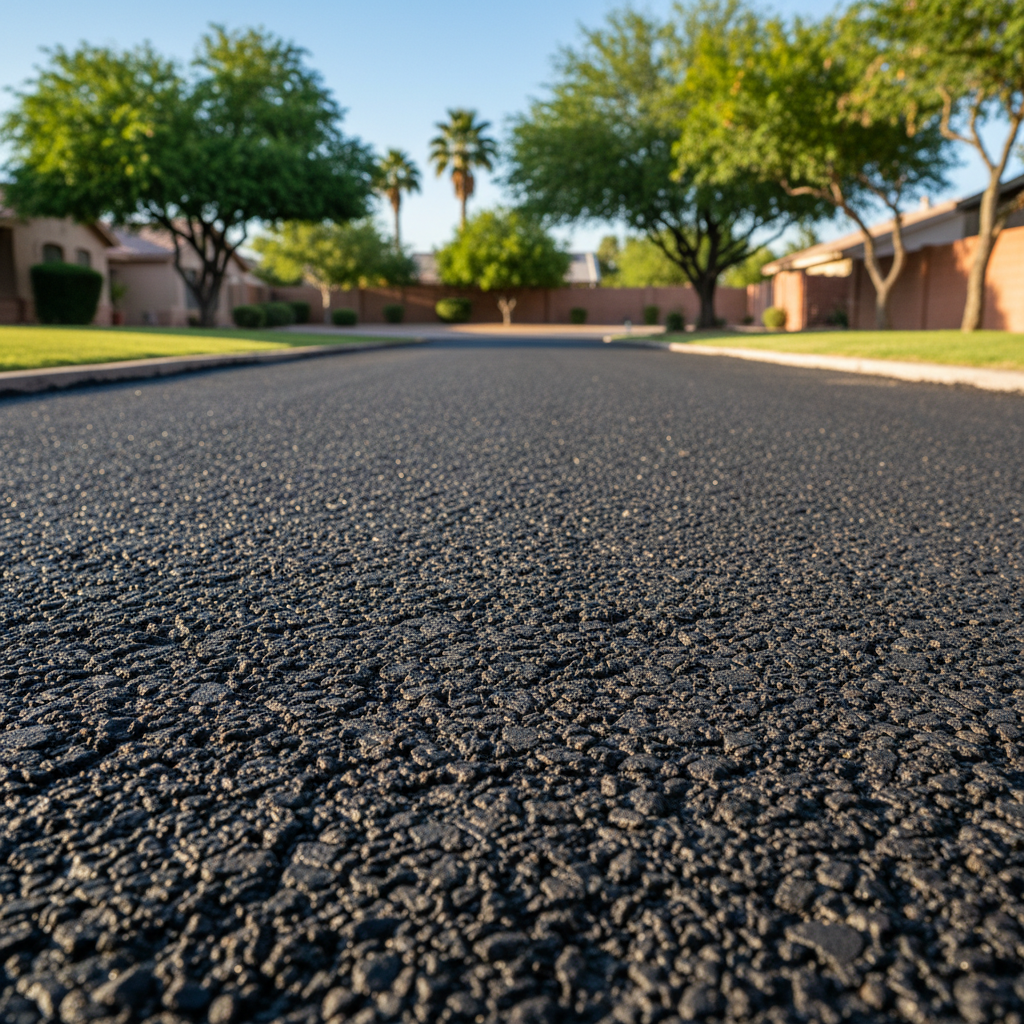
Alright, let's break it down. Asphalt milling, sometimes called cold planing or asphalt reclamation, is basically shaving off the top layer of your existing asphalt. Think of it like a giant planer for your driveway. A specialized machine comes in and grinds up that old, worn-out surface, leaving a fresh, textured base. This base is then ready for a new layer of asphalt, or sometimes, it can even be used as a temporary surface itself.
Why do it? Well, instead of digging up everything, hauling it away, and starting from scratch, milling lets you reuse what's already there. It's more environmentally friendly, and like I said, often more cost-effective. Plus, it helps maintain your existing grade, which is super important here in Peoria, especially with our monsoon season. You don't want water pooling up against your house because your new driveway is suddenly an inch higher than it used to be.
When Does Milling Make Sense for Your Driveway?
Milling isn't always the answer, but it's a great option for a few common problems:
- Surface Deterioration: Lots of small cracks, raveling (where the aggregate starts coming loose), or a generally worn-out look.
- Minor Rutting or Unevenness: If your driveway has shallow ruts from vehicle traffic or slight dips, milling can level it out.
- Drainage Issues: Sometimes, a poor slope can cause water to sit. Milling allows us to re-establish proper drainage without a full tear-out.
- Limited Budget: It's often cheaper than a complete remove-and-replace job.
Now, if your driveway has major structural issues – deep, alligator cracking, significant heaving from tree roots, or a completely failed base – milling might not be enough. That's when you're probably looking at a full excavation. But for a lot of Peoria homes, especially those built in the 80s and 90s with their original driveways, milling is a solid solution.
What Can You DIY vs. When to Call a Pro?
This is where it gets real. For homeowners, the actual milling process itself? That's 100% a job for the pros. You're talking about heavy, specialized machinery that costs hundreds of thousands of dollars and requires skilled operators. You can't rent one of these at Home Depot, trust me.
However, there are things you absolutely can and should do to prepare for a milling project, and even some things you can do afterward to save a little money:
Before the Milling Crew Arrives:
- Clear the Area: Move cars, boats, RVs, trash cans, planters – anything that's on or near the driveway.
- Mark Sprinklers/Utilities: This is crucial. If you have any sprinkler heads, low-voltage lighting, or buried dog fences near the edge of your driveway, mark them clearly with bright paint or flags. The milling machine is powerful, and we don't want to accidentally chew up your irrigation system.
- Trim Overhanging Branches: If you've got mesquite or palo verde trees hanging low over the driveway, trim them back. The milling machine and the trucks need clearance.
- Talk to Your Neighbors: Give them a heads-up. Milling is noisy, and there will be trucks coming and going. It's just good neighborly practice.
During the Milling Process:
Stay clear! Keep kids and pets away from the work area. It's a construction zone, and safety is paramount. You can watch from a safe distance, but don't get in the way of the crew or the equipment.
After Milling, Before New Asphalt (DIY Opportunities):
Once the milling is done, you'll have a rough, textured surface. If you're planning to have a new layer of asphalt put down, the pros will handle the final prep. But if you're just using the milled surface as a temporary driveway or for a low-traffic area, you might consider:
- Compaction: You could rent a plate compactor from a tool rental place and go over the milled surface to help compact it further. This isn't a substitute for professional compaction for a new asphalt layer, but it can help settle it for a temporary use.
- Edge Definition: If you want a really clean edge, you might do some light hand-raking or shoveling along the very perimeter.
For the actual paving, you'll want Peoria Precision Asphalt on the job. We've got the experience and the right equipment to make sure that new layer of asphalt is laid down perfectly, giving you a smooth, durable finish that'll stand up to our hot Arizona sun and those intense summer storms. Trying to lay asphalt yourself is like trying to build a house with a hammer and some duct tape – it's just not going to work out right.
What to Expect After the Project
Once the new asphalt is down (if you went that route), you'll need to give it some time to cure. We'll tell you exactly how long to stay off it, but typically it's a few days for light traffic and longer for heavy vehicles. Don't turn your steering wheel sharply while parked on fresh asphalt – it can scuff the surface. Keep it clean, and consider a sealcoat every few years to protect it from the elements. A well-maintained asphalt driveway can last you decades, and starting with a solid milled base is a great way to ensure that longevity.
So, if your driveway is looking rough, don't just assume you need a full tear-out. Give us a call at Peoria Precision Asphalt. We can come out, take a look, and tell you if milling is the right path for your home. We're here to help you make the best decision for your property and your wallet.