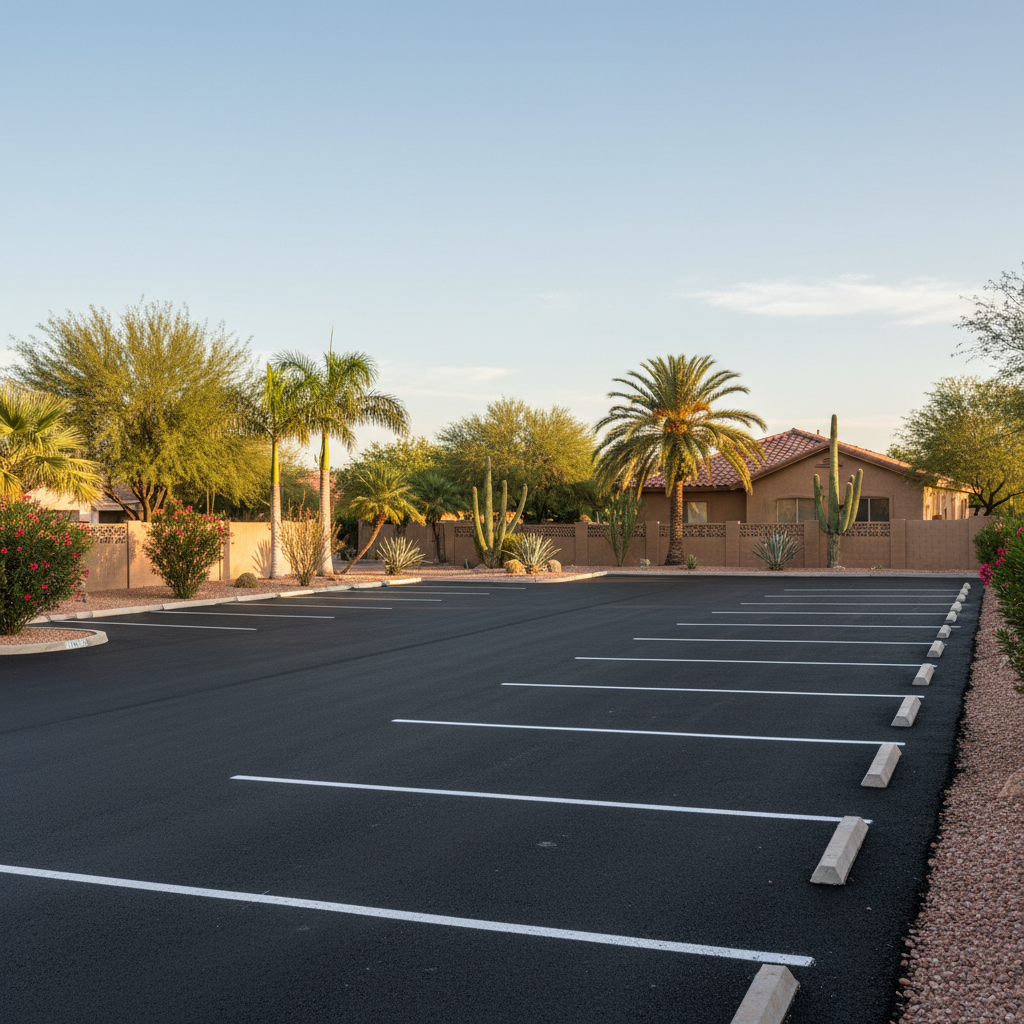
So, you're thinking about putting in a new parking lot, or maybe just fixing up an old one on your property right here in Peoria. Could be for an RV pad, or maybe some extra parking for guests, or just to finally get rid of that dusty, bumpy gravel spot. Whatever the reason, it's a big project, and you really want it done right. As a local contractor, I've seen plenty of these jobs, and trust me, a little planning goes a long way. Here’s what you need to know to make sure your parking lot paving project actually goes smoothly.
Setting Your Timeline: What to Expect
Let's talk about how long this whole thing takes. It’s definitely not an overnight job. From your first phone call to the final sweep, you're probably looking at a few weeks, maybe even a couple of months. It just depends on the size of the job and, honestly, how busy the contractor is. Here's a rough breakdown:
- Initial Contact & Estimate (1-2 weeks): You'll call a few contractors, they'll come out, measure things up, and give you a bid. Good contractors are busy, especially during our prime paving seasons (that's spring and fall, before the truly brutal summer heat hits), so don't expect them to show up tomorrow, okay?
- Contract & Scheduling (1-3 weeks): Once you pick a contractor, you'll sign the agreement. Then you'll get on their schedule. Again, busy times mean you might wait a bit longer.
- Permits (Variable, 2-6 weeks or more): This is a big one. For larger parking areas, especially if you're changing drainage or adding a lot of impervious surface, you might need permits from the City of Peoria. Your contractor should help you figure this out, but often, the homeowner submits them. Don't skip this step; fines are no fun.
- Construction Phase (3-7 days): This is the actual work. It can vary a lot. A small, simple pad might be done in a couple of days. A larger, more complex parking lot, one with extensive grading and base prep, could easily take a week or more.
- Curing Time (2-3 days minimum): After the asphalt is laid, you can't drive on it right away. It just needs time to cool and harden. Your contractor will tell you exactly how long, but typically, you're looking at 48-72 hours before light traffic. For heavy vehicles, it might be a week or two.
So, if you're planning a big holiday party and want a new parking area, don't call us a week before. Plan ahead!
What Happens During the Paving Process?
Okay, you've signed the contract, permits are in hand, and the crew is showing up. What's actually going to happen?
- Site Preparation & Demolition: First, we clear the area. If there's old asphalt, concrete, or just a lot of dirt and weeds, it all gets removed. We'll haul away the debris.
- Grading & Drainage: This is super important, especially with our monsoon rains here in Peoria. We'll grade the area to make sure water runs off properly. You really don't want puddles sitting on your new asphalt, or worse, water flowing towards your house. This might mean bringing in or removing some soil.
- Base Installation: This is the foundation of your parking lot. We'll lay down a layer of aggregate — that's crushed rock and gravel. This material gets compacted heavily to create a stable, strong base. The thickness depends on what the parking lot will be used for. A residential parking area for cars needs a different base than one that might see RVs or delivery trucks, you know?
- Asphalt Paving: This is the exciting part! Hot asphalt mix gets delivered to the site, spread evenly over the compacted base, and then compacted again with heavy rollers. This creates a smooth, durable surface.
- Compaction & Finishing: The rollers keep working until the asphalt is dense and smooth. Edges are often hand-tamped for a really clean finish.
It's a pretty noisy and dusty process, especially during the grading and base work. You'll see big trucks, heavy machinery, and a crew working hard. It's quite a symphony of construction, really.
How to Get Your Property Ready
Before the crew shows up, there are a few things you can do to help us help you:
- Clear the Area: Move anything that's in the way — cars, trailers, trash cans, patio furniture, garden hoses, kids' toys. If it's not bolted down, just move it.
- Mark Sprinklers & Utilities: If you have any underground sprinkler heads, low-voltage lighting, or other buried lines that aren't deep utility lines (which we'd locate anyway), mark them clearly with flags or spray paint. We really don't want to hit them.
- Trim Overhanging Branches: If you have trees with low branches over the work area, trim them back. Our equipment needs room to maneuver.
- Secure Pets: Keep your pets indoors or in a secure, fenced area away from the work zone. It's for their safety and, frankly, our crew's peace of mind.
- Inform Neighbors: Give your neighbors a heads-up about the work. Let them know there will be noise and possibly some temporary traffic disruption. Good neighbor relations are always a plus.
- Plan for Access: Remember, once paving starts, you won't be able to drive on the area for a few days. Plan alternative parking for your vehicles.
Questions to Ask Before You Sign That Contract
Don't just go with the cheapest bid. Ask these questions to make sure you're getting a quality job from a reputable company like Peoria Precision Asphalt: