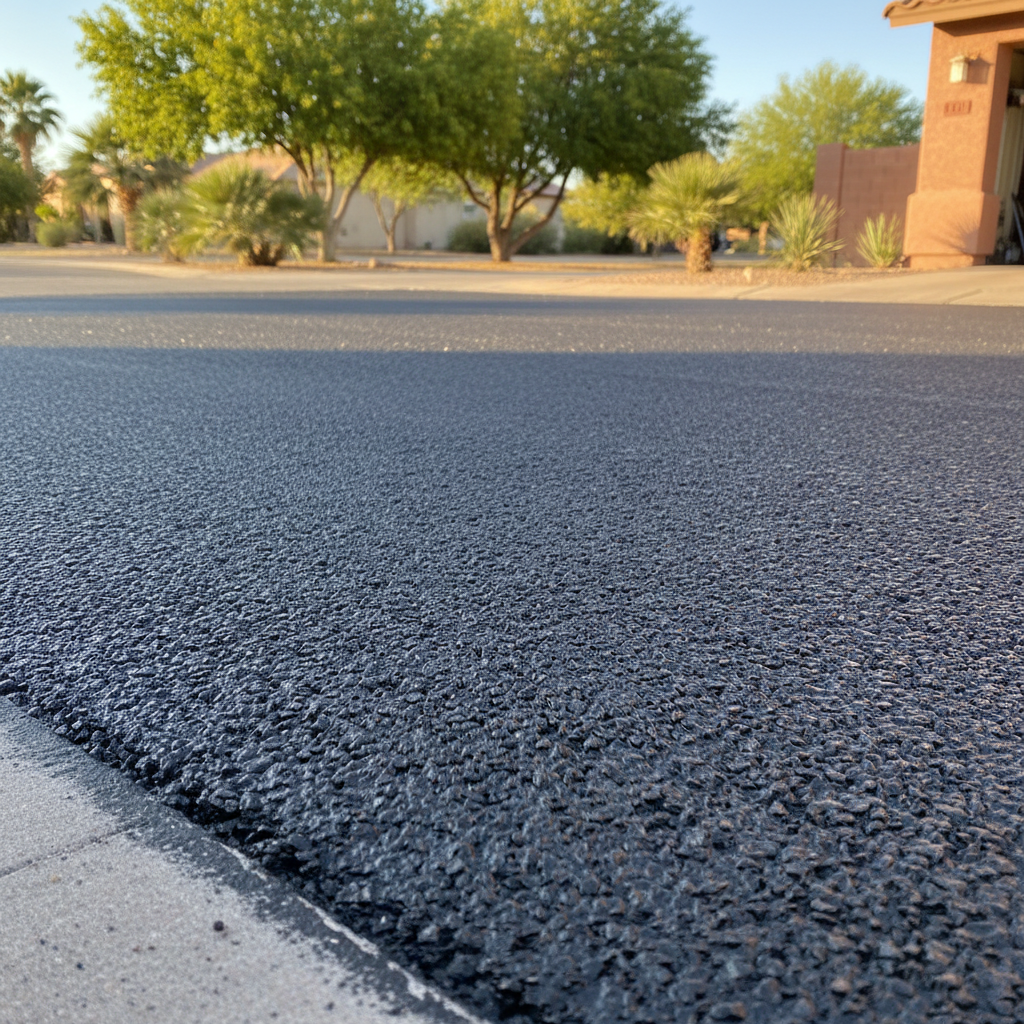
So, you're staring at your asphalt driveway, right? Maybe it's looking a little tired, got some tiny cracks, or just generally needs a facelift. You've probably heard folks talking about slurry coating, and now you're wondering if it's a weekend warrior project or if you really need to call in the pros. Let's dig into it.
What Exactly is Slurry Coating, Anyway?
First things first, let's clear up what we're actually talking about. Slurry coating isn't the same as a super-thin sealcoat. Think of it more like a thicker, tougher protective layer. It's usually a mix of asphalt emulsion, some finely graded aggregate (like sand), water, and a few additives. This blend gives it a lot more body than just a liquid sealcoat, which means it can fill minor imperfections and give you a fresh, durable wearing surface. It's really good for extending the life of an existing asphalt surface that's still in pretty decent shape but just starting to show its age.
Before You Even Think About It: You Gotta Assess
Seriously, before you even buy a single bucket of material, you need to take a really good, honest look at your driveway. Slurry coating isn't some magic bullet for big problems. If you've got deep cracks, potholes, or those nasty alligator cracks (where it looks like, well, alligator skin), you're way past the point where just a slurry coat will fix things. You'll need to deal with those repairs first. And frankly, if it's that bad, you might be looking at an overlay or even a full replacement, not just a simple slurry coat.
Slurry coating works best for driveways that are mostly solid but have minor surface wear, some oxidation, or just those super fine hairline cracks. It's kind of like putting a fresh coat of paint on a house that's structurally sound, not trying to paint over a crumbling wall. If you're not sure, snap a few pictures and get a professional opinion. We at Peoria Precision Asphalt are always happy to swing by and give you an honest assessment – no strings attached.
DIY Slurry Coating: What's Actually Possible?
Can you do slurry coating yourself? Yeah, to a point. For a small, relatively flat driveway, it's definitely doable. Here's what you'd be getting yourself into:
- Cleaning, Cleaning, Cleaning: This step is probably the most critical, whether you're doing it or a pro is. You absolutely have to get every speck of dirt, oil, grease, and loose debris off that surface. Pressure washing is a must, followed by sweeping and blowing. Any oil spots need a good degreaser and some serious scrubbing. If you skip this, your slurry won't stick right, and you'll see it peeling up in no time, especially with our intense Peoria sun.
- Crack Filling (Minor Ones): If you've got any cracks wider than, say, a quarter-inch, you'll need to fill them with a quality crack filler and let it cure completely. Slurry will bridge very fine cracks, but it's just not going to effectively fill bigger ones.
- Mixing the Material: This is where things get a bit tricky. Slurry material comes in different forms – some are ready-to-use, others need specific mixing with water and sometimes aggregate. Getting the consistency just right is super important. Too thin, and it won't build up properly; too thick, and it'll be impossible to spread evenly. You'll definitely need a heavy-duty mixer (like a paddle mixer attached to a drill) and a big container.
- Application: You'll typically use a squeegee or a specialized brush applicator. You need to work quickly and evenly, making sure you get consistent coverage without leaving puddles or thick ridges. This takes practice and a sharp eye. Usually, you'll apply two coats, giving them plenty of drying time in between.
The DIY route can definitely save you some money on labor, but it's physically demanding, takes a lot of time, and really demands attention to detail. If you've got a small, simple driveway and you're handy, go for it!
When to Call Peoria Precision Asphalt (or another Pro)
For anything beyond a small, perfectly square, and relatively pristine driveway, I'd honestly strongly recommend calling a professional. Here's why:
- Larger Driveways or Complex Shapes: Slurry sets up pretty fast, especially in our Arizona heat. Trying to cover a big area or one with lots of turns and edges by yourself before it starts to cure is a surefire recipe for an uneven, messy job.
- Existing Damage: If your driveway has more than just hairline cracks, a pro knows how to properly prep and repair those areas so the slurry coat actually lasts. We've got the right equipment for crack sealing and surface preparation, which makes a huge difference.
- Material Expertise: Pros use commercial-grade materials and know the exact ratios and application techniques for the best performance and longevity. We understand how different temperatures and humidity (yes, even in dry Peoria) affect the curing process.
- Equipment: We have specialized squeegees, sprayers, and mixers that make the job faster, more efficient, and result in a much smoother, more uniform finish.
- Warranty: A reputable contractor will stand behind their work. If something goes wrong, you're covered. If you DIY, well, you're on your own.
The cost difference might seem significant upfront, but a professionally applied slurry coat will last longer and look better, saving you headaches and potential re-do costs down the road. Especially with our intense summer heat beating down on surfaces in neighborhoods like Fletcher Heights, you really want a coating that's applied right to stand up to it.
During the Project: What to Expect
Whether you DIY or hire a pro, here's what's going to happen:
- Weather is King: You absolutely need clear, warm weather. No rain in the forecast for at least 24-48 hours. Temperatures should be consistently above 50°F and ideally not above 90°F during application, though we're used to working with the heat here in Peoria. Too hot, and it dries too fast; too cold, and it just won't cure properly.
- Restricted Access: Your driveway will be out of commission for at least 24-48 hours, sometimes longer depending on the product and weather. Plan accordingly – park on the street or at a neighbor's place.
- Odor: There will be an asphalt smell. It's not usually overwhelming, but you'll definitely notice it.
After the Slurry Coat: Keeping It Looking Good
Once it's all done and cured, congratulations! You've got a refreshed driveway. To make it last:
- Patience is a Virtue: Don't drive on it too soon. Wait the recommended time. Turning your wheels sharply on a freshly coated surface can scuff it right up.
- Keep it Clean: Regularly sweep or blow off debris. Leaves and dirt can hold moisture and break down the surface over time.
- Address Spills Quickly: Oil, gas, or chemical spills should be cleaned up immediately. They can really degrade the asphalt binder.
- Monitor for Cracks: Keep an eye out for new cracks. If you see small ones forming, address them with crack filler before they get bigger.
Slurry coating can truly give your driveway a new lease on life, making it look better and protecting your investment. Just make sure you're honest with yourself about the condition of your asphalt and your own capabilities before you decide to go it alone.